#Palestinian rights
#Palestinian rights
[ follow ]
#israel #gaza #human-rights #lebanon #west-bank #iran #ceasefire #settler-violence #palestine #west-bank-violence




#israel

Healthcare
fromwww.theguardian.com
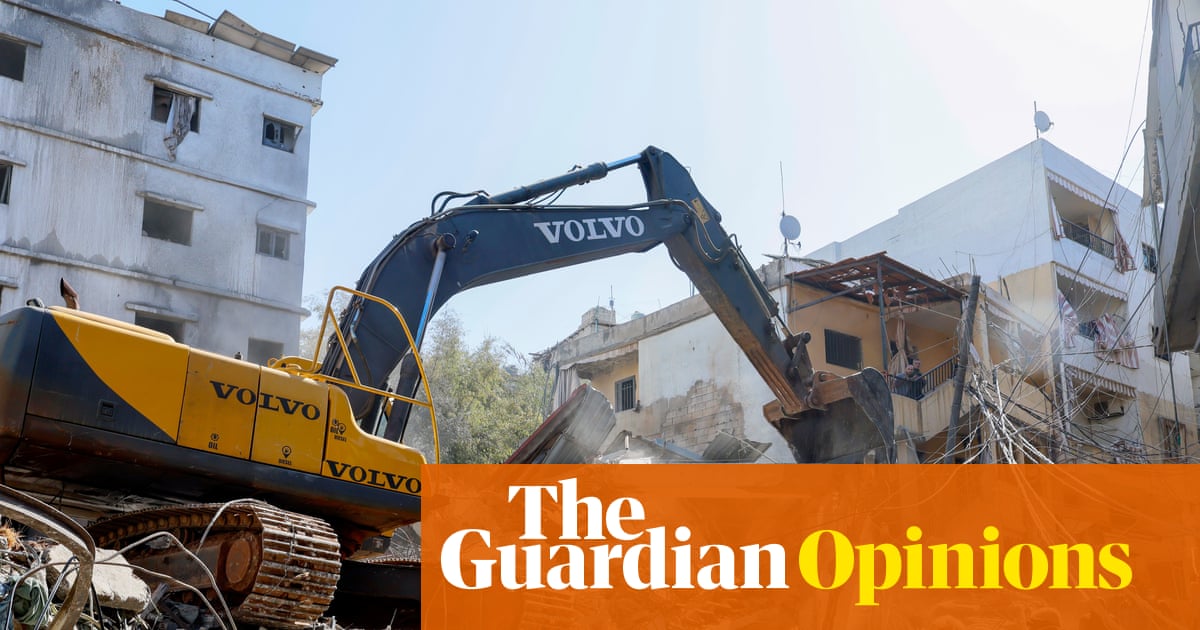
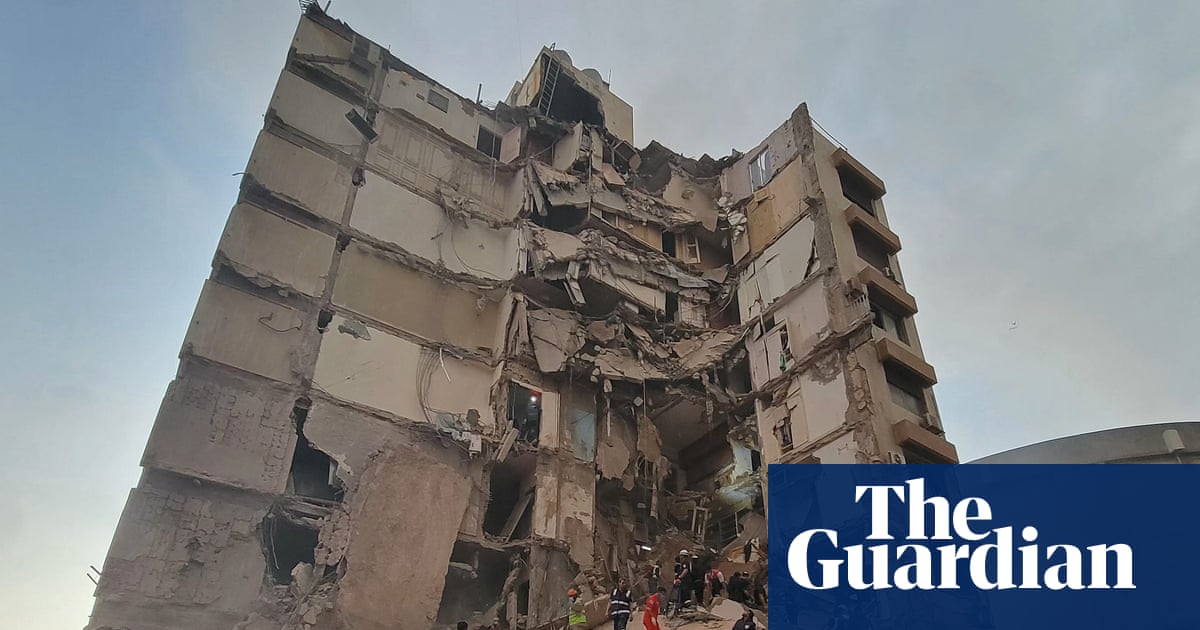
23 hours agoIsrael got away with targeting healthcare in Gaza. It's no surprise it is doing it in Lebanon too | Seema Jilani
Israel's military actions in Lebanon are targeting healthcare infrastructure, causing civilian displacement and casualties, similar to tactics used in Gaza.
fromTruthout
1 day agoIsrael Has Buried Gaza in Rubble, But Our Love for the Land Will Always Survive
"I have never chosen to adopt the title of 'refugee,' yet it keeps haunting me. It is scribbled on my Palestinian national identification card and follows my name in human rights conferences."
Social justice



fromwww.theguardian.com
4 days agoA strategy to make life intolerable': Israeli settlers are driving Christians out of West Bank
Taybeh, a small hilltop town in the heart of the West Bank, is one of the oldest Christian communities in the world, now feeling under siege and fighting for its existence.
History
Social justice
fromTruthout
3 weeks agoSupporters Celebrate Release of Palestinian Leqaa Kordia - But Fight Continues
Palestinian advocate Leqaa Kordia was released from ICE detention after over a year, with legal teams asserting she was unlawfully targeted for her Palestinian rights advocacy amid Trump administration immigration crackdowns.
#israeli-palestinian-conflict

World news
fromwww.theguardian.com
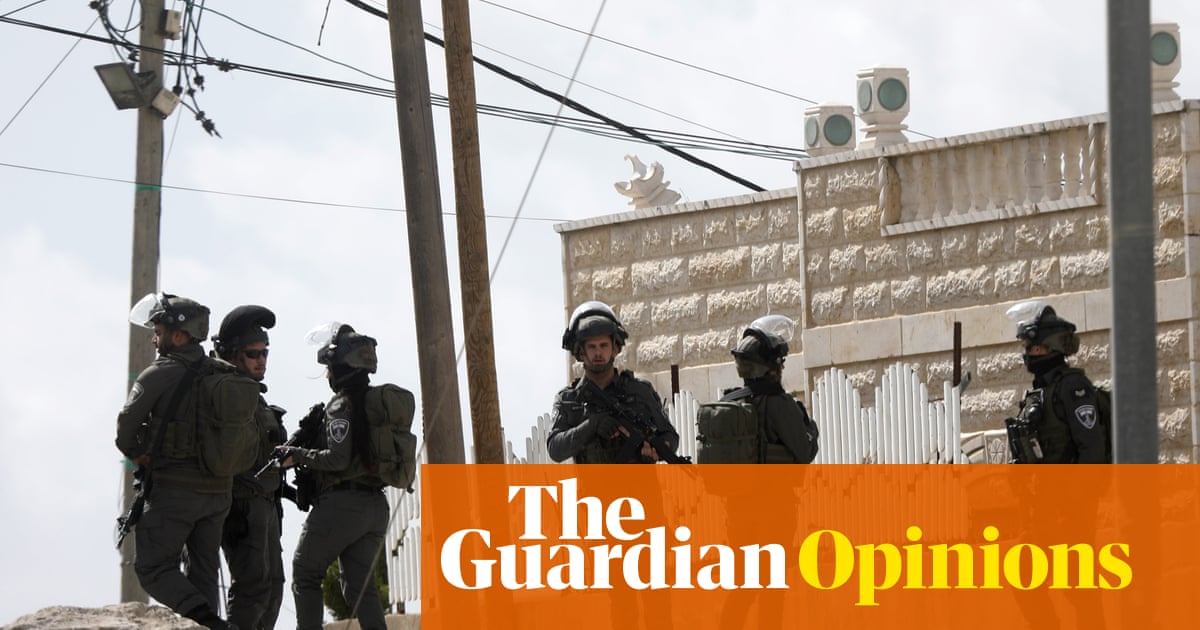
3 weeks agoIsraeli police kill two young Palestinian boys and their parents in West Bank
Israeli police killed a Palestinian family of four—two young children and their parents—by shooting them in the head and face while returning from Ramadan shopping in the West Bank, with two surviving brothers witnessing the attack.
World news
fromwww.theguardian.com
1 month agoIsraeli settlers and soldiers kill three Palestinians in West Bank village
Israeli settlers and soldiers killed six Palestinians in the West Bank during escalating violence, with attacks intensifying under cover of regional conflict while military-settler cooperation deepens ethnic cleansing operations.

World news
fromwww.theguardian.com
3 weeks agoIsraeli police kill two young Palestinian boys and their parents in West Bank
Israeli police killed a Palestinian family of four—two young children and their parents—by shooting them in the head and face while returning from Ramadan shopping in the West Bank, with two surviving brothers witnessing the attack.
World news
fromwww.theguardian.com
1 month agoIsraeli settlers and soldiers kill three Palestinians in West Bank village
Israeli settlers and soldiers killed six Palestinians in the West Bank during escalating violence, with attacks intensifying under cover of regional conflict while military-settler cooperation deepens ethnic cleansing operations.
World news
fromwww.aljazeera.com
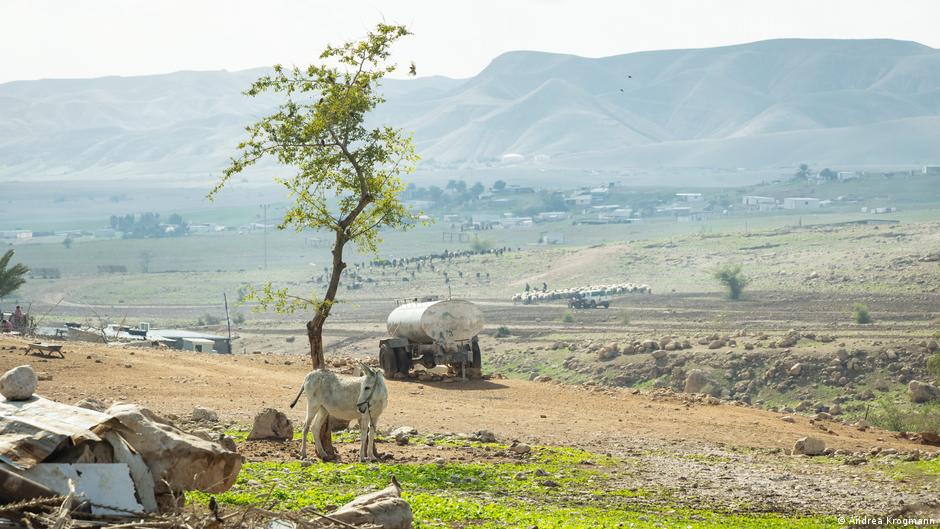
3 weeks agoWhat the Iran war looks like from the occupied West Bank
While global attention focuses on Iran-Israel missile exchanges, West Bank Palestinians face ongoing settler violence, military raids, and daily restrictions amid falling shrapnel from regional conflict.
World news
fromwww.aljazeera.com
3 weeks agoIsrael carrying out mass expulsion of Palestinians' in West Bank, UN warns
The UN reports over 36,000 Palestinians forcibly displaced in the West Bank within one year due to Israeli settler violence and military operations, constituting unlawful mass transfer under international law.


fromwww.aljazeera.com
2 months agoPeace boards and technocrats won't stem out Palestinian resistance
Any governance structure that does not take into account the Palestinian national aspirations is doomed to failure. Last week, just as Israeli bombardment of the Gaza Strip intensified, United States presidential envoy Steven Witkoff announced on social media that the ceasefire is entering its second stage. In the following days, the administration of US President Donald Trump unveiled the makeup of a foreign executive committee and a peace board that will oversee the provisional administration of Gaza composed of Palestinian technocrats.
World news
fromenglish.elpais.com
2 months agoPalestinians who fled horror encounter Israeli obstacles in attempt to return to Gaza
The reopening of Rafah, the border crossing between Gaza and Egypt, has rekindled the hope (or at least raised a previously unthinkable question) of returning to the Strip for the approximately 100,000 Palestinians who managed to escape almost two years ago from the constant air strikes, forced displacement, and hardships of the Israeli offensive. Almost all of them did so within the first seven months of the war, until Israeli troops seized Rafah in May 2024 and Gazans lost their only exit route.
World news
fromwww.aljazeera.com
1 month agoAfter dozens died in Israeli jails, death penalty law rattles Palestinians
Dozens of Palestinian prisoners have died in Israeli prisons over the past two and a half years, some during torture while others as a result of medical neglect by prison authorities, rights groups say. Now, Israel is making plans for the execution of possibly hundreds of Palestinian prisoners held on charges of fatal attacks against Israelis, according to an Israeli media report, under what legal experts have called racist legislation that has rattled the families of thousands of Palestinians in Israeli jails.
World news
[ Load more ]